Amateur (Ham) radio
How did this whole thing get started?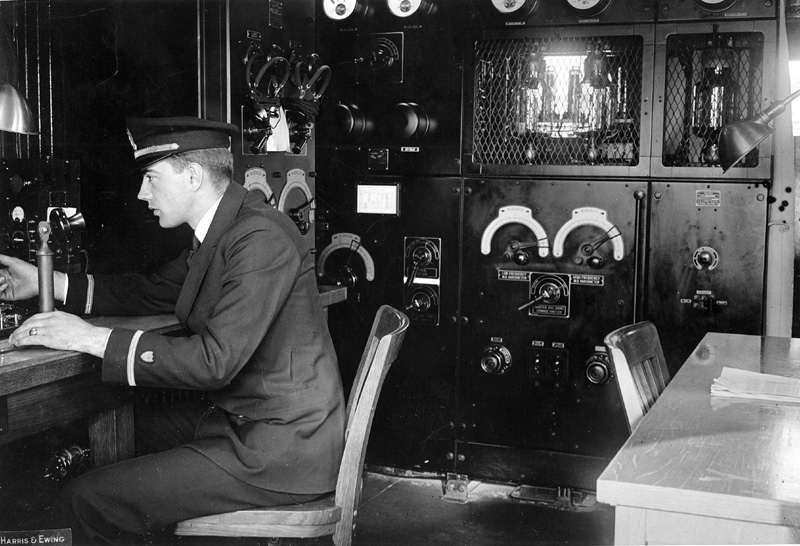
| Back to Ham Radio | Back to Home |
Amateur (Ham) radio
How did this whole thing get started?
 After the war to end all wars staggered to an exhausted
halt in 1919, there was a great expansion of commercial and military use
of the air waves. A greater use was now made of voice communication, though
Morse was still the preferred method for long range communication. This
was the start of the age of the crystal set, and legions of hobbyists sat
with their ears glued to their headsets, tweaking and testing to pull in
signals from far away places. This also began the era of the "Golden Age
of Radio"; for the next couple of decades, the family would gather around
the radio to listen to commercial broadcasts of news, music, and entertainment,
liberally peppered with the new commercial advertisements.
After the war to end all wars staggered to an exhausted
halt in 1919, there was a great expansion of commercial and military use
of the air waves. A greater use was now made of voice communication, though
Morse was still the preferred method for long range communication. This
was the start of the age of the crystal set, and legions of hobbyists sat
with their ears glued to their headsets, tweaking and testing to pull in
signals from far away places. This also began the era of the "Golden Age
of Radio"; for the next couple of decades, the family would gather around
the radio to listen to commercial broadcasts of news, music, and entertainment,
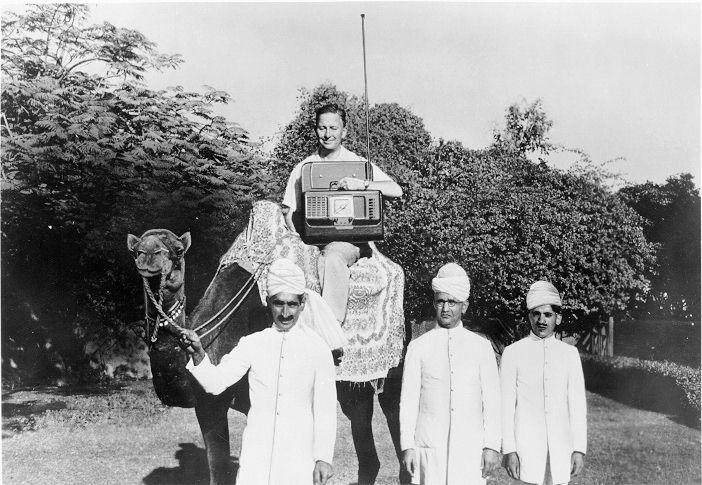
liberally peppered with the new commercial advertisements. 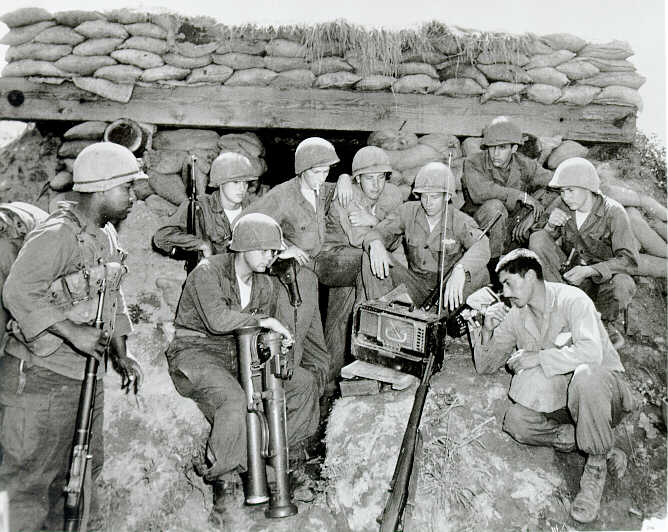 only in legend or story. Most of these establishments had radio communications,
and the hams, and short-wave listeners, strained to hear them. The hobby
attracted a diverse body of people including armchair adventurers, high-tech
enthusiasts, former military personnel, and first or second generation
Americans who were curious about the "old country".
only in legend or story. Most of these establishments had radio communications,
and the hams, and short-wave listeners, strained to hear them. The hobby
attracted a diverse body of people including armchair adventurers, high-tech
enthusiasts, former military personnel, and first or second generation
Americans who were curious about the "old country".